
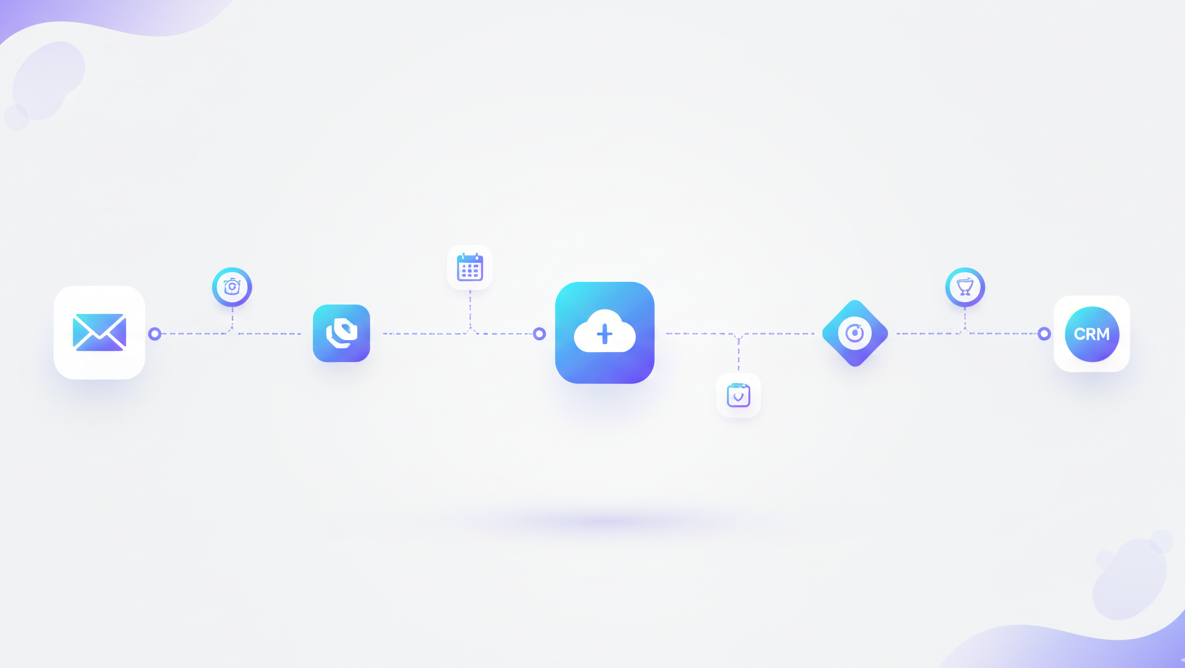
Modern businesses deal with multiple tools, platforms, and repetitive tasks every day. Managing everything manually wastes time and increases the chances of errors. This is where business automation becomes essential. Using tools like n8n, businesses can automate workflows, reduce manual work, and improve productivity.
Automation allows teams to focus on growth instead of repetitive tasks.
Understanding Business Automation
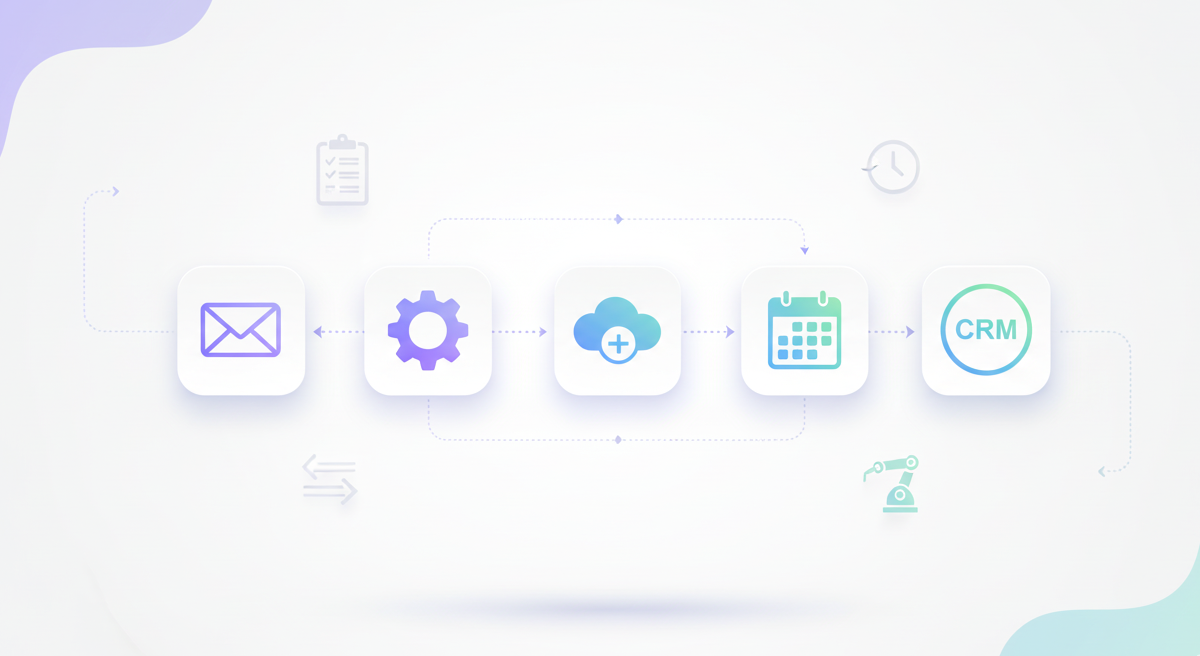
Business automation means using technology to handle routine tasks automatically. From sending emails to updating records and syncing data between tools, automation ensures processes run smoothly without constant human intervention.
n8n connects different applications and automates workflows, making operations faster, smarter, and more efficient.
How n8n Improves Productivity
Automation eliminates repetitive tasks that consume valuable time. With n8n, businesses can automate lead follow-ups, notifications, data updates, and reporting.
This results in faster execution, reduced errors, and higher team efficiency, allowing staff to focus on important work.
Automation Reduces Operational Costs
Manual processes often lead to inefficiencies and higher costs. Automation reduces the need for repetitive manual work, saving both time and resources.
By automating workflows, businesses achieve better cost control, improved accuracy, and scalable operations without increasing overhead.
Automation Improves Customer Experience
Automation ensures timely responses and consistent communication. Whether it’s sending confirmation messages or updating customers automatically, automation improves reliability.
This leads to better customer satisfaction, faster response times, and stronger trust.
''Boost productivity with SafexServer n8n automation services today.''
n8n Offers Flexibility and Control
Unlike many automation tools, n8n provides flexibility and customisation. Businesses can design workflows that match their exact needs.
With full control over processes, businesses gain transparency, security, and long-term scalability.


